
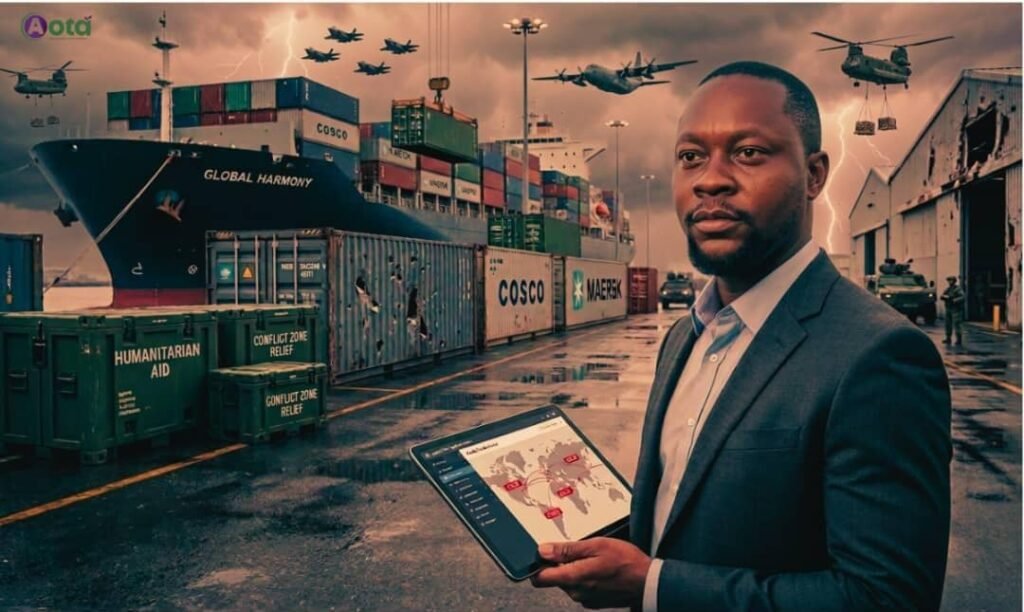
Missiles during Lent.
Missiles during Ramadan.
Two sacred seasons meant for reflection, restraint, and spiritual renewal,yet the world continues to witness escalating tensions and military actions.
While the headlines often focus on politics and diplomacy, there is another critical dimension that feels the shock almost immediately: global logistics and supply chains.
The Immediate Shock to Trade and Transportation
When geopolitical tensions escalate, logistics is among the first sectors to feel the impact. Missile threats, military operations, and security alerts can disrupt airspace, maritime routes, and land corridors that global trade depends on.
Cargo flights may be rerouted. Shipping lanes may be considered high risk. Ports may operate under heightened security.
For businesses that rely on timely delivery of goods, these disruptions quickly translate into delays, uncertainty, and rising operational costs.
Freight Costs and War-Risk Premiums
Conflict zones often trigger increased war risk insurance premiums for vessels and aircraft operating near affected regions.
Shipping companies also factor in longer routes, security measures, and potential delays. The result is higher freight rates for importers and exporters.
What begins as a geopolitical conflict soon becomes an economic ripple felt by businesses and consumers around the world.
The Domino Effect on Global Supply Chains
Today’s supply chains are deeply interconnected. A disruption in one region can quickly affect production schedules, commodity prices, and distribution networks across continents.
A single shipping route disruption can cause congestion in other ports, delays in manufacturing, and shortages in markets thousands of miles away.
In essence, conflict in one region rarely stays local,it travels through the arteries of global trade.
Why Logistics Professionals Must Stay Ahead
For freight forwarders and supply chain professionals, these realities highlight the importance of resilience, adaptability, and strategic planning.
Monitoring geopolitical developments, identifying alternative routes, and maintaining transparent communication with clients are no longer optional,they are essential.
In uncertain times, logistics professionals play a crucial role in keeping global trade moving and ensuring essential goods reach their destinations.
Our Perspective at AOTA Cargo Services Limited
At , we understand that global events can quickly reshape the logistics landscape.
Our focus remains on helping businesses navigate these uncertainties through reliable freight solutions, proactive planning, and strong international partnerships. Whether moving commercial cargo or agricultural products, our goal is to ensure that supply chains remain efficient, resilient, and responsive, even during challenging global conditions.
A Moment for Reflection
Sacred seasons like Lent and Ramadan remind humanity of values such as peace, patience, and compassion. Yet global tensions often persist regardless of the calendar.
For the logistics industry, the responsibility remains clear: to keep vital goods moving and maintain the lifelines of global commerce, even in times of uncertainty.
What are your thoughts on how geopolitical conflicts are reshaping global logistics today?