
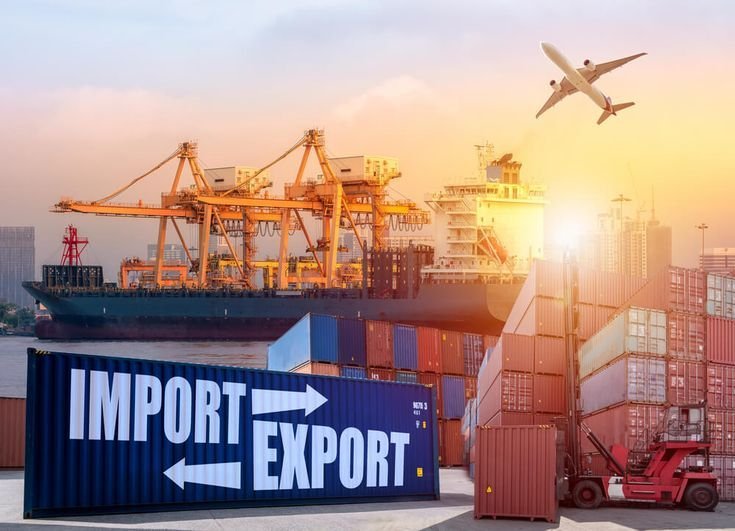
I. Introduction
In today’s interconnected global economy, the ability to efficiently manage the import of goods is a cornerstone of business success. This is particularly true for enterprises operating in or targeting dynamic markets such as Lagos, Nigeria, a major commercial hub in West Africa. A well-defined and executed import logistics strategy can significantly impact operational costs, delivery timelines, and overall customer satisfaction. This report provides a comprehensive visual and textual guide to the international import logistics process for goods destined for Lagos, aiming to demystify the journey from the initial identification of needs to the final delivery. It is intended for business owners, managers, and logistics professionals seeking a clear understanding of the intricacies involved in importing goods into Nigeria.
II. Visual Flowchart of the Import Logistics Process to Lagos
The following flowchart illustrates the key stages involved in importing goods to Lagos, Nigeria, from the initial planning stages to the final delivery. Each step is crucial for a seamless and efficient import process.
(Flowchart would be represented here with boxes and arrows, each box containing the step description and a placeholder for an image based on the suggestions below. Due to the limitations of text-based output, the visual representation cannot be directly included.)
- Step 1: Identifying Needs and Product Sourcing
- Description: Recognizing a business need or identifying a product for import through market research and demand forecasting.
- Image Suggestion: Concept of identifying needs .
- Step 2: Supplier Selection and Negotiation
- Description: Researching, evaluating, and selecting an international supplier, followed by negotiating terms and establishing a relationship.
- Image Suggestion: Supplier selection process .
- Step 3: Purchase Order Creation and Finalization
- Description: Creating and sending a formal Purchase Order (PO) to the supplier, detailing the specifics of the order.
- Image Suggestion: Purchase Order document .
- Step 4: Arranging International Transportation
- Description: Selecting the appropriate mode of international transportation.
- Text: Sea, Air, Land
- Sub-step 4a: Sea Freight
- Description: Transportation via cargo ships for large volumes.
- Image Suggestion: Cargo ship .
- Sub-step 4b: Air Freight
- Description: Transportation via cargo planes for time-sensitive or high-value shipments.
- Image Suggestion: Cargo plane .
- Sub-step 4c: Land Freight (if applicable for origin country)
- Description: Transportation via trucks or trains to a port or airport.
- Image Suggestion: Cargo truck or train .
- Step 5: Export Customs Clearance (Country of Origin)
- Description: Preparing and submitting necessary documentation and complying with export regulations in the country of origin.
- Image Suggestion: Customs officials or export documentation .
- Step 6: Goods in Transit
- Description: The goods are being transported to Lagos.
- Image Suggestion: (Implied by transportation icons)
- Step 7: Arrival at Lagos Port
- Description: Unloading the cargo at the designated port in Lagos.
- Image Suggestion: Lagos port or a ship at port .
- Step 8: Import Customs Clearance in Nigeria
- Description: Submitting import documents, inspection of goods, payment of duties and taxes, and obtaining release from customs.
- Image Suggestion: Nigerian Customs logo or inspection scene .
- Step 9: Final Transportation to Destination in Lagos
- Description: Transporting goods from the port to their final destination within Lagos.
- Image Suggestion: Truck or delivery vehicle in Lagos .
- Step 10: End: Goods Delivered
- Description: The goods have reached their final destination.
- Image Suggestion: (Not explicitly needed)
III. Detailed Explanation of Each Step
A. Identifying Needs and Product Sourcing
The initial phase of any successful import venture involves a thorough understanding of the market. For businesses aiming to import into Lagos, Nigeria, it is crucial to conduct comprehensive market research to identify viable product opportunities . This includes analyzing consumer demand, understanding local market trends, and assessing the competitive landscape. Defining the precise specifications and quality standards for the desired products is equally important. Before even considering potential suppliers, businesses must familiarize themselves with Nigeria’s import laws and regulations . A clear understanding of these regulations from the outset can prevent potential legal complications and financial penalties later in the process. Investing time and resources in meticulous market analysis before making any sourcing decisions is a prudent approach, ensuring that the chosen products align with market needs and have the potential for profitability.
B. Supplier Selection and Negotiation
Once the product needs are clearly defined, the next critical step is to identify and select a reliable international supplier . This process often involves researching potential suppliers through various channels, including online platforms and industry-specific trade shows . Evaluating suppliers based on their experience, reputation, quality control measures, certifications, and adherence to ethical practices is paramount. Requesting samples to thoroughly assess the quality of the products before committing to a bulk order is a recommended practice . Effective negotiation is key to securing favorable terms, including pricing, payment methods, minimum order quantities, and delivery schedules. Establishing clear lines of communication and fostering a mutually beneficial relationship with the chosen supplier is not just about the initial transaction; it lays the groundwork for a sustainable and successful long-term import strategy . A well-executed supplier selection process significantly mitigates risks associated with product quality, delivery delays, and potential fraudulent activities.
C. Purchase Order Creation and Finalization
Following the selection of a supplier and the agreement on terms, the buyer initiates the process of creating a formal Purchase Order (PO) . This document serves as a legally binding contract that outlines the specifics of the intended purchase . A comprehensive PO should include essential details such as the item name, unique item ID, a detailed description of the goods, the exact quantity being ordered, the agreed-upon unit price, the desired delivery date, and the stipulated shipping and payment terms . Additionally, assigning a unique Purchase Order number is crucial for tracking and record-keeping purposes . Once the PO is drafted, it is formally sent to the supplier for their review and confirmation. Obtaining a signed confirmation from the supplier signifies their acceptance of the terms and solidifies the contractual agreement. A meticulously prepared and finalized Purchase Order minimizes the potential for misunderstandings and disputes, ensuring that both parties have a clear and shared understanding of the transaction.
D. Arranging International Transportation
The transportation of goods from the supplier’s location to Lagos involves selecting the most suitable mode of transport, considering factors such as the volume and nature of the goods, the urgency of delivery, and the associated costs . The primary options for international freight are sea, air, and land.
D.1 Sea Freight: Sea freight is generally the most economical option for transporting large volumes of goods, particularly for non-time-sensitive shipments . Businesses can choose between Full Container Load (FCL), where they have exclusive use of a container, or Less than Container Load (LCL), where their goods are consolidated with other shipments . Engaging with reputable shipping lines or freight forwarders is essential for managing the complexities of sea transport, including booking cargo space, handling documentation like the Bill of Lading , and coordinating with port authorities.
D.2 Air Freight: Air freight offers the fastest transit times and is often preferred for high-value, perishable, or urgently needed goods . While it is generally more expensive than sea freight, the speed and reliability can be crucial in certain situations. Air freight forwarders play a vital role in arranging air cargo, handling documentation such as the Air Waybill , and ensuring compliance with aviation regulations.
D.3 Land Freight (for origin): In some cases, particularly when the supplier is located inland, land freight via trucks or trains may be necessary to transport the goods to the nearest seaport or airport for international shipment . The choice of land transport depends on factors like distance, infrastructure, and the volume of goods.
E. Export Customs Clearance (Country of Origin)
Before the goods can be legally shipped out of the country of origin, they must undergo export customs clearance . This process involves several key steps, including pre-arrival preparation of documents, submitting an export declaration, undergoing potential inspection of the goods, examination of the submitted documentation, payment of any applicable export duties or taxes, and finally, obtaining the release of the goods for international transit . Essential export documents typically include a commercial invoice, a packing list, and the relevant transport document (Bill of Lading for sea freight or Air Waybill for air freight) . In some cases, a certificate of origin may also be required . Ensuring that all declarations are accurate and that all regulations of the exporting country are strictly adhered to is critical to avoid delays and potential penalties .
F. Arrival at Lagos Port
Upon reaching Lagos, Nigeria, the vessel or aircraft carrying the imported goods will arrive at the designated port, either the seaport for sea freight or the airport for air freight . The process of unloading the cargo from the transport vehicle and transferring it to a holding area within the port premises then commences . The efficiency of operations at the Lagos port directly influences the subsequent steps in the import process . Factors such as port congestion can potentially lead to delays in unloading and handling cargo . Therefore, effective coordination with local shipping agents or freight forwarders is essential to ensure a smooth and timely transfer of goods upon arrival.
G. Import Customs Clearance in Nigeria
The import customs clearance process in Nigeria is a crucial stage that involves several intricate steps to ensure compliance with Nigerian laws and regulations . This process typically begins with contracting a licensed clearing and forwarding agent who will act on behalf of the importer . The agent will then prepare and submit a customs declaration, often referred to as the Single Goods Declaration (SGD), providing detailed information about the imported goods . Payment of the applicable customs duties and taxes is a mandatory step . For certain regulated goods, such as food and drugs, obtaining invoices and paying fees to agencies like the National Agency for Food and Drug Administration and Control (NAFDAC) is also required . Similarly, fees may be payable to the Federal Airports Authority of Nigeria (FAAN) for goods arriving by air . After payment verification, the submitted documents undergo endorsement, and the consignment is assigned a selectivity status, which determines the level of scrutiny it will face . Consignments may be subject to joint inspections by various agencies, including the Nigeria Customs Service (NCS), the National Drug Law Enforcement Agency (NDLEA), the Standards Organisation of Nigeria (SON), and other security agencies . Once all requirements are met and clearances are obtained from the relevant agencies, a delivery note is issued, allowing for the release of the goods . Key documents required for this process include the Form M, Proforma Invoice, Final Invoice, Bill of Lading or Air Waybill, Packing List, Certificate of Origin, SON Conformity Assessment Program (SONCAP) Certificate, and the Pre-Arrival Assessment Report (PAAR) . The PAAR is particularly significant as it helps in the assessment of duties before the arrival of the goods, potentially speeding up the clearance process . Engaging an experienced clearing and forwarding agent in Nigeria is highly recommended to navigate this complex regulatory landscape effectively.
H. Final Transportation to Destination in Lagos
The final stage of the import logistics process involves transporting the cleared goods from the port to their ultimate destination within Lagos . This last-mile delivery is typically carried out using trucks, vans, or other suitable delivery vehicles, depending on the size and nature of the consignment . Navigating the infrastructure and traffic conditions in Lagos can present logistical challenges . Therefore, careful route planning and selecting the appropriate type of vehicle are important considerations for efficient delivery. Collaborating with local logistics providers who have a thorough understanding of the local transportation network can be beneficial in ensuring timely and secure delivery to the final warehouse or point of sale.
IV. Conclusion
Importing goods to Lagos, Nigeria, is a multi-faceted process that demands meticulous planning and execution across various stages. From the initial identification of market needs and supplier selection to navigating international transportation, export and import customs procedures, and finally, local delivery, each step plays a critical role in the overall success of the import venture. Careful attention to detail, accurate documentation, and the selection of reliable partners, including suppliers, transporters, and clearing agents, are essential for mitigating risks and ensuring efficiency. While the Nigerian import process can be complex, a thorough understanding of each stage, as outlined in this guide, can empower businesses to navigate the intricacies effectively and capitalize on the opportunities presented by the dynamic market of Lagos.
V. Potential Tables for the Report
Table 1: Key Documents Required for Import Customs Clearance in Nigeria
| Document | Description | Snippet(s) |
| Form M | A mandatory document required for all imports into Nigeria, used for tracking and monitoring imports. | , |
| Single Goods Declaration (SGD) | The primary customs declaration form providing details of the imported goods. | , |
| Commercial Invoice | A document issued by the seller to the buyer, detailing the transaction, including the description, quantity, and value of the goods. | , |
| Packing List | A document that provides a detailed inventory of the contents of each package in the shipment. | , |
| Bill of Lading (for sea) / Air Waybill (for air) | The transport document issued by the carrier, acknowledging receipt of the goods and outlining the terms of carriage. | , |
| Pre-Arrival Assessment Report (PAAR) | A report issued by the Nigeria Customs Service based on the submitted documentation, providing an assessment of the duties and taxes payable. | , |
| SONCAP Certificate | A mandatory certificate for regulated products imported into Nigeria, confirming that they meet the required standards. | |
| Certificate of Origin | A document that certifies the country in which the goods were produced. | , |
| Assessment Notice | A document generated by the customs system indicating the assessed duties and taxes payable on the imported goods. | |
| Valuation Note | A document that provides the customs value of the imported goods, used for calculating duties and taxes. |
Table 2: Comparison of International Transportation Modes
| Feature | Sea Freight | Air Freight | Land Freight (for origin) |
| Typical Transit Time | Weeks to Months | Days | Days to Weeks |
| Cost | Low | High | Medium |
| Best Use Cases | Large volumes, non-time-sensitive goods | High-value, time-sensitive, smaller shipments | Inland transportation to ports/airports |
| Key Documents | Bill of Lading | Air Waybill | Waybill, potentially customs documents |
| Considerations | Port congestion, longer lead times | Higher cost, weight and volume restrictions | Road conditions, border crossings (if applicable) |