
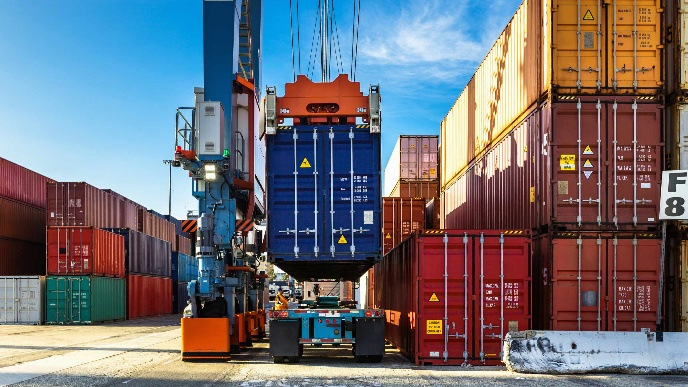
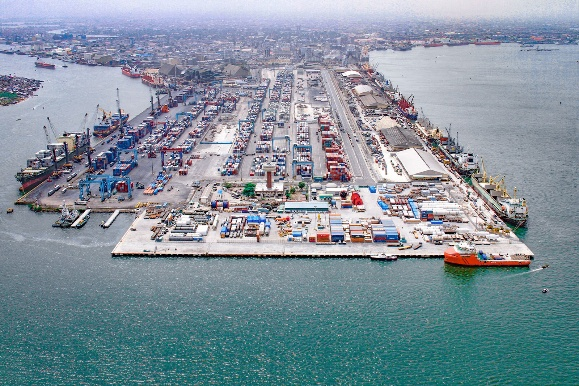
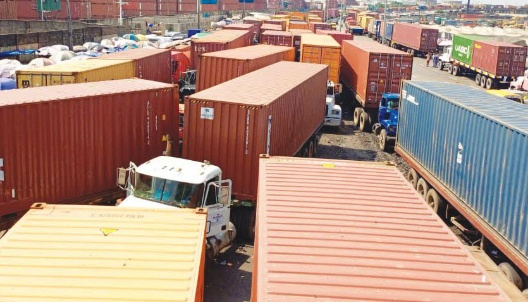
Demurrage and detention charges remain among the biggest cost burdens for Nigerian importers. Every year, businesses lose millions of naira because shipments stay too long at the ports or containers are not returned on time. With new regulations and rising port congestion expected in 2026, understanding how to avoid these charges is now more important than ever.
This guide breaks down practical strategies that Nigerian importers and freight forwarders can implement to minimize delays and reduce unnecessary costs.
1. Start Form M and PAAR Early
One of the main causes of delay is late initiation of Form M and PAAR. Many importers wait until the cargo has already sailed, which often leads to documentation bottlenecks.
To avoid this:
- Complete Form M before the supplier ships the goods.
- Ensure all details (HS code, description, value) match the invoice.
- Follow up with your bank to process PAAR early.
Early documentation ensures goods can be released immediately on arrival.
2. Choose the Right HS Code
Incorrect HS codes lead to:
- Customs queries
- Revaluation
- Re-routing to physical examination
All of which prolong clearance and cause demurrage.
Always:
- Confirm the code with your freight forwarder.
- Check Nigeria Customs Tariff Book.
- Ask the supplier for accurate product descriptions to avoid misclassification.
Correct HS codes reduce risk of delays by up to 70%.
3. Track Vessel Arrival Proactively
Many business owners wait for their forwarder to update them, but digital tracking makes monitoring easy.
Do this:
- Track the vessel weekly while in transit.
- Confirm ETA with your forwarder 5–7 days before arrival.
- Prepare clearing funds in advance.
Early awareness helps you schedule agents, payments, and documentation faster.
4. Work with a Reliable Freight Forwarder
A skilled and experienced forwarder dramatically reduces your chances of demurrage.
Look for a forwarder who:
- Has experience with the type of goods you import.
- Has operational presence inside Nigerian ports.
- Provides real-time tracking and updates.
- Understands customs processes and risk management.
Cheap or inexperienced agents often cost you more in demurrage than their service fee.
5. Avoid Weekends and Public Holidays for Container Release
Ports in Nigeria typically experience processing slowdowns on:
- Weekends
- Public holidays
- End-of-year peak season
If your container arrives close to a holiday, request early release or fast-track processes to avoid rollover into demurrage days.
6. Use Duty Assessment Tools
Over 40% of clearance delays happen because importers do not prepare duty payments on time.
Use digital tools to estimate duties, such as:
- Customs duty calculators
- Freight forwarder online quoting tools
- Bank tariff guides
This ensures immediate payment when duty is assessed.
7. Return Empty Containers Quickly
After clearing, detention starts counting. To avoid it:
- Arrange trucks early.
- Confirm the shipping line’s preferred return terminal.
- Avoid night-time traffic delays around Apapa and Tin Can.
Some lines now offer incentives for early returns—take advantage of them.
Conclusion
Demurrage and detention charges are avoidable with the right planning, documentation, and tracking. For Nigerian importers, early preparation and working with a reliable forwarder are the most effective ways to eliminate unnecessary costs. In 2026, efficiency and speed will be the key to staying profitable in international trade.