
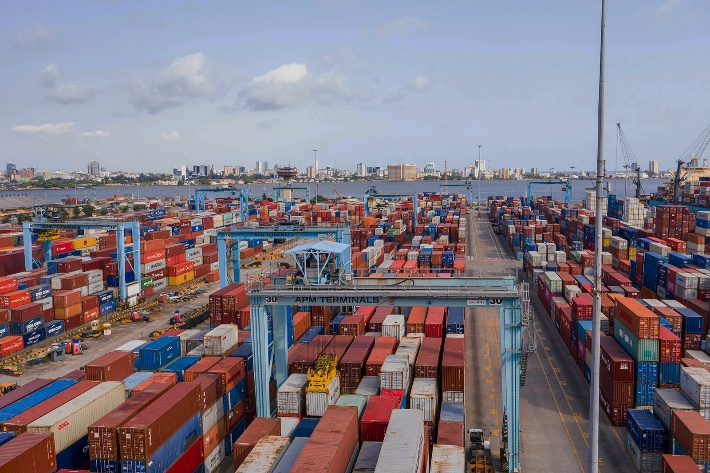
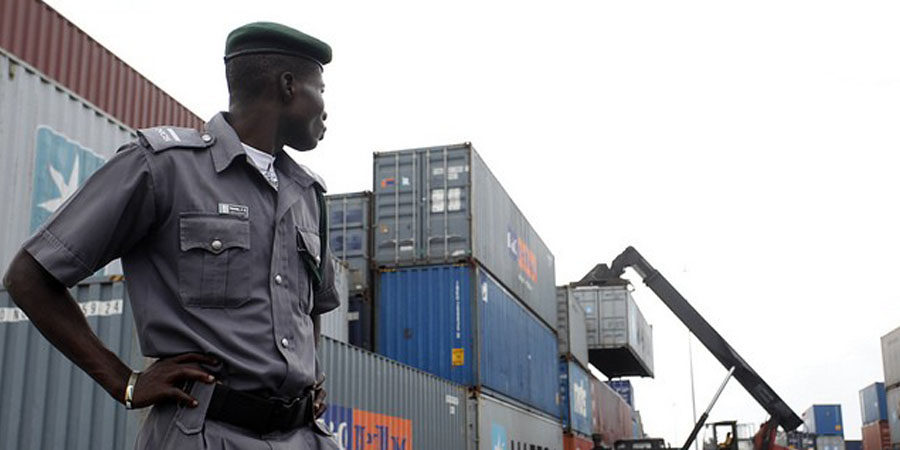
Clearing goods at Nigerian ports remains a critical step for importers and freight forwarders. While digitization and improved infrastructure have streamlined the process in 2025, 2026 brings stricter compliance rules and more automated checks. Understanding the process step by step ensures timely delivery, reduces demurrage costs, and prevents unnecessary delays.
1. Pre-Shipment Preparation
Before the cargo leaves the country of origin, importers should prepare all necessary documentation:
- Form M: Initiated with your bank, ensuring accurate HS codes, product descriptions, and supplier details.
- Commercial Invoice and Packing List: Must match Form M exactly.
- Bill of Lading/Air Waybill: Issued by the shipping line or airline.
Early preparation helps avoid discrepancies when customs conducts the Pre-Arrival Assessment Report (PAAR).
2. Pre-Arrival Assessment (PAAR)
PAAR is a key customs tool to determine the value, duty, and risk level of cargo before arrival. In 2026:
- The Nigeria Customs Service (NCS) uses AI and data analytics to detect discrepancies.
- Importers must ensure invoice value matches Form M, HS codes are correct, and goods description is accurate.
Approval of PAAR ensures faster clearance upon cargo arrival.
3. Arrival at Port
Once the shipment reaches a Nigerian port:
- The shipping line releases the manifest to customs.
- Freight forwarders submit the Single Goods Declaration (SGD) online through the customs portal.
- The container may be assigned to Green, Yellow, or Red Lane, depending on risk assessment.
Green Lane: Minimal inspection; Red Lane: Full physical examination.
4. Duty Assessment and Payment
Customs calculates duty based on:
- HS code classification
- Declared value in Naira using the CBN FX rate
- Applicable levies, surcharges, and excise taxes
Prompt payment is crucial to avoid additional charges like demurrage or interest.
5. Physical Inspection (if required)
If assigned to Red Lane:
- Customs officers physically inspect the cargo.
- Any discrepancies trigger queries, additional documentation requests, or fines.
- Forwarders often arrange pre-inspection at warehouses to minimize surprises.
6. Terminal Delivery Order (TDO)
Once duty is paid and inspection cleared:
- Customs issues the release order
- The terminal operator issues the TDO, allowing the container to exit the port
It’s critical to schedule trucks and drivers promptly to avoid congestion and extra charges.
7. Container Removal and Gate Clearance
After receiving TDO:
- The container is moved to the port gate.
- Gate release confirms cargo is officially handed over to the importer.
- Demurrage stops accruing once the container exits the port.
Proper coordination with trucking companies and terminal operators ensures timely release.
8. Post-Clearance Documentation
Keep all documents for audit and compliance:
- PAAR approval
- TDO
- Bill of Lading/Air Waybill
- Duty payment receipts
Maintaining accurate records helps resolve disputes and ensures regulatory compliance.
Conclusion
Clearing goods at Nigerian ports in 2026 requires careful planning, accurate documentation, and proactive engagement with freight forwarders and customs. By following each step—from pre-shipment preparation to gate clearance—importers can minimize delays, reduce costs, and ensure smooth cargo flow in a stricter and more digitized regulatory environment.
Hey all, I tried so xo 66.com via xoso66apps.com today. It seems legit and simple to use. Worth checking out if you’re like me and enjoy the thrill. Here’s the link: so xo 66.com