
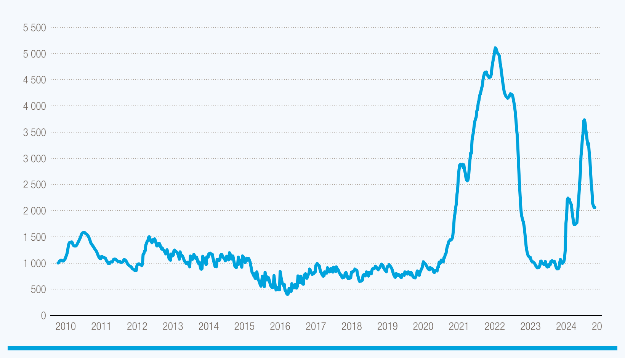
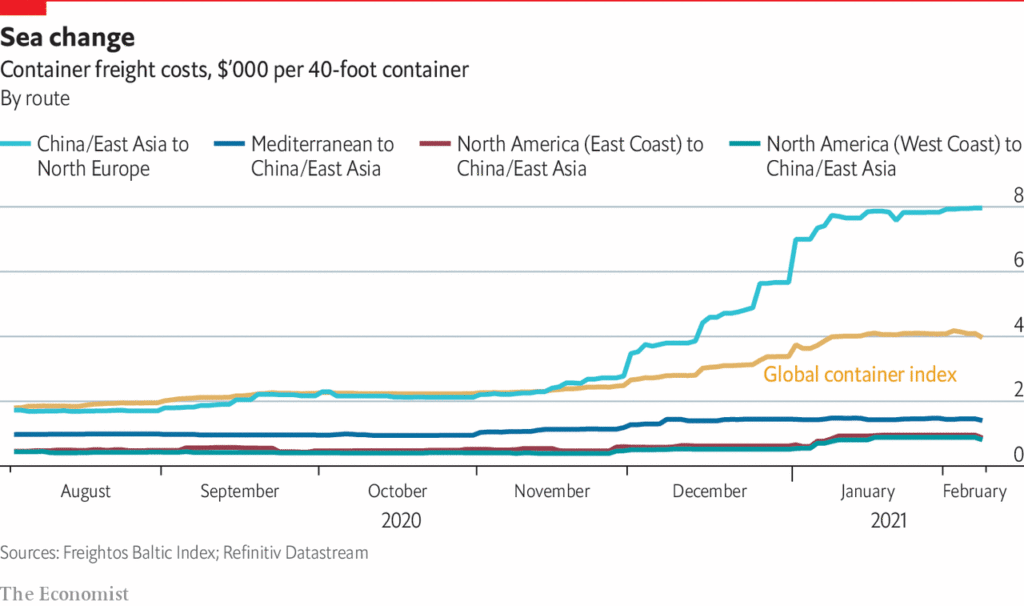
Global freight costs have been on a rollercoaster for the past five years, affected by geopolitical tensions, fuel price instability, climate-related disruptions, and operational challenges across major shipping routes. As Nigerian importers prepare for 2026, understanding these cost drivers will help businesses plan more efficiently and avoid unexpected financial pressure.
This article breaks down why freight prices are rising, what trends will dominate 2026, and how Nigerian businesses can manage shipping expenses smartly.
1. Why Global Freight Costs Are Rising
Several forces are shaping the upward trend:
a. High Fuel Prices
Cost of bunker fuel remains a major influence. With global fuel price uncertainties, shipping lines adjust freight rates frequently to protect margins.
b. Red Sea and Global Route Instability
Ongoing tensions in global maritime lanes—especially around the Red Sea—continue to cause:
- Route diversions
- Longer sailing times
- Increased insurance charges
These factors directly increase freight cost to West Africa.
c. Port Congestion
Major ports across Asia and Europe face increasing congestion due to:
- High cargo volumes
- Worker shortages
- Limited turnaround time
Congestion surcharges are becoming more common.
d. Equipment Imbalance
Shipping lines often struggle with empty containers in the wrong locations. Moving them across regions adds to global shipping costs.
2. What Nigerian Importers Should Expect in 2026
Nigeria’s position as a key West African market influences how global changes affect local prices. The following trends are expected to shape 2026:
1. Premium Rates on Asia–Nigeria Route
Most Nigerian imports come from China and Southeast Asia. Expect:
- Higher FCL (Full Container Load) rates
- Fluctuating groupage (LCL) costs
- Fuel and congestion surcharges
2. Air Freight Will Become More Expensive
Due to security challenges on maritime routes, more high-value items may shift to air freight, increasing demand and cost.
3. Rising Terminal and Handling Charges
Terminal operators in Lagos and Onne are likely to adjust handling fees due to operational cost increases and inflation.
4. Stronger Naira Can Reduce Landing Cost
If the Naira stabilizes or strengthens, it may help offset high freight rates by lowering duty and landing cost.
3. How Nigerian Importers Can Reduce Freight Expenses
While global prices are outside your control, smart strategies can help reduce costs:
a. Book Early
Last-minute bookings attract higher rates. Advance planning gives you better negotiating power.
b. Consolidate Shipments
Groupage or cargo consolidation helps small businesses reduce overall cost per cubic meter.
c. Use Experienced Freight Forwarders
Forwarders who manage large volumes often secure better rates from shipping lines and airlines.
d. Compare Multiple Routes
Sometimes alternative ports—such as routing via Dubai or Turkey—offer competitive pricing.
e. Choose the Right Container Type
Wrong container selection increases cost. A forwarder can advise whether your goods should go as FCL, LCL, open-top, or flat-rack.
4. Negotiate Long-Term Contracts
For businesses that import regularly, locking in rates for six months or one year can protect against sudden price spikes. Shipping lines offer contract rates to consistent clients through freight forwarders.
Conclusion
Global freight costs will continue rising in 2026, but Nigerian importers can stay competitive by planning early, optimizing routes, consolidating cargo, and partnering with reliable freight forwarders. With the right strategy, it is still possible to maintain profitability despite global price fluctuations.