
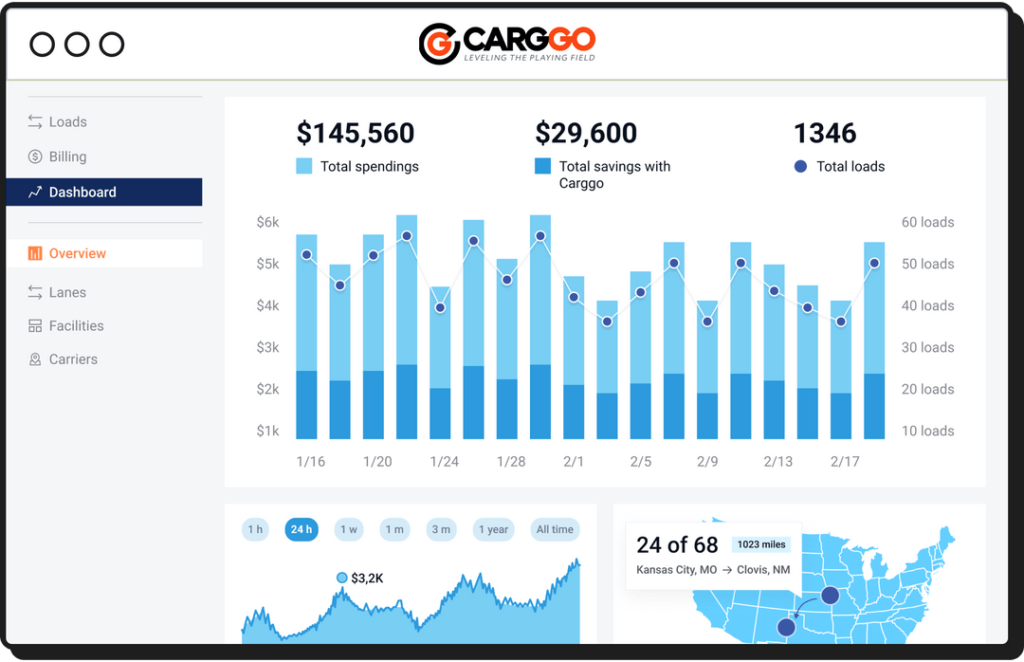
The freight forwarding industry is entering a phase where digital technology is no longer an optional upgrade but a mandatory requirement for speed, transparency, and global competitiveness. As Nigerian importers, exporters, and logistics companies prepare for 2026, digital transformation is expected to reshape operations from documentation to cargo visibility. Understanding these advancements will help businesses adopt the right tools early, reduce costs, and improve efficiency.
1. End-to-End Digital Documentation
Paper-based documentation has been one of the biggest bottlenecks in logistics. Today, forwarders are transitioning to fully digital documentation systems, replacing physical Form M, PAAR, Bill of Lading, and Customs documents with secure electronic versions.
In 2026, importers should expect:
- Faster document submission and approval.
- Automated error detection on forms.
- More integration between banks, customs, and logistics companies.
- Reduced clearance delays caused by missing or damaged paperwork.
This transition aligns with Nigeria Customs’ push towards e-clearance and the increasing adoption of trade management platforms.
2. Real-Time Cargo Tracking & Visibility
Traditional “wait-and-ask” tracking will phase out as more forwarders adopt real-time GPS-enabled tracking and integrated visibility platforms. This ensures that buyers, sellers, and logistics firms can view cargo movement from pick-up to final delivery.
Businesses can expect:
- Automated SMS and email updates.
- Mobile-friendly tracking dashboards.
- Predictive ETAs powered by AI.
- Alerts on route delays, port congestion, or customs issues.
The goal is to eliminate uncertainty and improve trust across the supply chain.
3. Artificial Intelligence (AI) for Cost Savings
AI will play a bigger role in:
- Predicting freight rates.
- Advising clients on the best shipping routes.
- Reducing demurrage and storage charges.
- Analyzing customs trends and compliance risks.
Forwarders who use AI-powered tools will offer more accurate quotations and help clients avoid costly mistakes.
4. Automation in Warehousing & Last-Mile Delivery
Warehouses are becoming smarter with:
- Automated inventory systems
- Barcode/QR-based tracking
- Digital proof of delivery
- Route-optimization tools for drivers
These changes reduce losses, improve delivery speed, and enable inventory accuracy — a major gain for SMEs and large-scale importers.
5. Online Customer Portals
More freight forwarders are building customer dashboards where clients can:
- Book shipments online
- Upload documents
- Track shipments
- Pay bills
- Download receipts and reports
This self-service approach reduces back-and-forth communication and allows 24/7 access to shipping information.
6. Cybersecurity Becomes a Priority
As forwarding becomes digital, cyber threats will also rise. Forwarders will invest more in:
- Secure data encryption
- Verified payment systems
- Anti-fraud protocols
- Staff cybersecurity training
This protects clients’ sensitive financial and shipment data.
Conclusion
Digital transformation is redefining freight forwarding in Nigeria and worldwide. Companies that embrace modern technology will operate faster, smarter, and at lower cost. Importers, exporters, and logistics firms that adopt these digital tools early will have a clear advantage in 2026.
Heard some buzz about jiliokcclogin, so I had to peek. Registration took seconds. The site itself is a bit overwhelming but you could do worse. Take a look and see what you think: jiliokcclogin