February 6, 2026

The State of Global Shipping in 2025: What Nigerian Importers Must Know

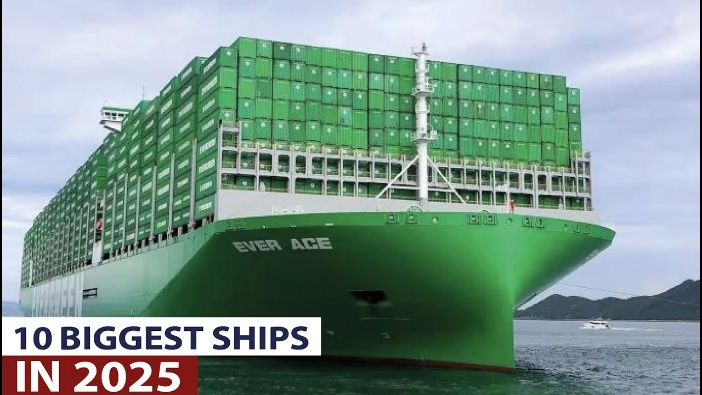
The global shipping industry in 2025 is significantly different from what Nigerian importers experienced in the years following the pandemic. Worldwide supply chains have stabilized, digital systems are more advanced, and regulatory bodies are more vigilant. For Nigerian businesses, especially SMEs and established importers, understanding these trends is essential for reducing costs, avoiding delays, and […]

The State of Global Shipping in 2025: What Nigerian Importers Must Know Read More »
The Future of Air Cargo in West Africa (2026 Outlook)

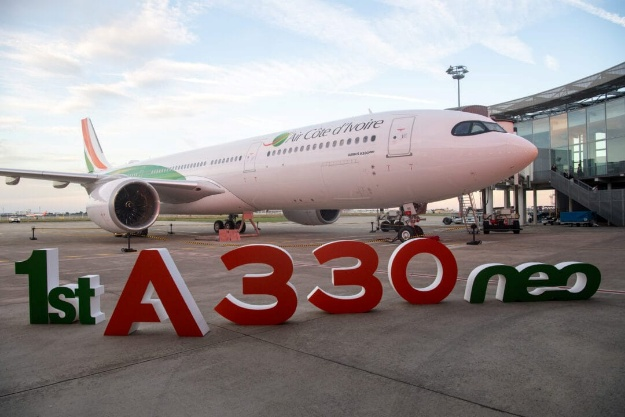
Air cargo plays a crucial role in West Africa’s supply chain, especially for time-sensitive, high-value, and perishable goods. As global trade evolves and technology transforms logistics operations, the air freight landscape in the region—particularly Nigeria, Ghana, and Côte d’Ivoire—is set for major shifts in 2026. Understanding these changes will help businesses position themselves for growth,

The Future of Air Cargo in West Africa (2026 Outlook) Read More »

Sustainable Shipping Practices: How Nigerian Freight Forwarders Can Prepare for 2026

Sustainability in shipping is no longer a future concept—it is becoming a regulatory and business requirement worldwide. Nigerian freight forwarders must prepare for 2026 by adopting eco-friendly practices that reduce carbon emissions, improve operational efficiency, and align with global environmental standards. Doing so not only enhances compliance but also strengthens business reputation and market competitiveness.

Sustainable Shipping Practices: How Nigerian Freight Forwarders Can Prepare for 2026 Read More »

Understanding HS Codes and Tariff Classification for Nigerian Importers (2026 Update)

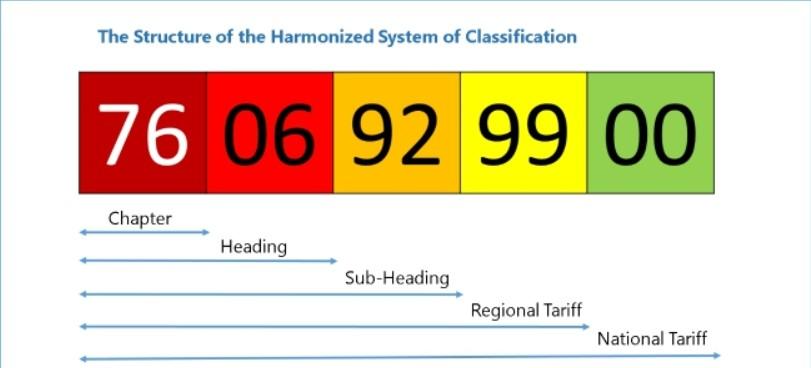
In international trade, few things are as important—and as commonly misunderstood—as the Harmonized System (HS) code. For Nigerian importers, using the correct HS code determines not only how much duty you will pay but also whether your shipment will sail smoothly through customs or become delayed due to queries. As rules evolve in 2026, understanding

Understanding HS Codes and Tariff Classification for Nigerian Importers (2026 Update) Read More »

How to Reduce Demurrage and Detention Charges in Nigerian Ports (2026 Guide)

Demurrage and detention charges remain among the biggest cost burdens for Nigerian importers. Every year, businesses lose millions of naira because shipments stay too long at the ports or containers are not returned on time. With new regulations and rising port congestion expected in 2026, understanding how to avoid these charges is now more important

How to Reduce Demurrage and Detention Charges in Nigerian Ports (2026 Guide) Read More »

Step-by-Step Guide to Clearing Goods at Nigerian Ports in 2026

Clearing goods at Nigerian ports remains a critical step for importers and freight forwarders. While digitization and improved infrastructure have streamlined the process in 2025, 2026 brings stricter compliance rules and more automated checks. Understanding the process step by step ensures timely delivery, reduces demurrage costs, and prevents unnecessary delays. 1. Pre-Shipment Preparation Before the

Step-by-Step Guide to Clearing Goods at Nigerian Ports in 2026 Read More »

The Role of Technology in Freight Forwarding: 2026 Trends for Nigerian Businesses

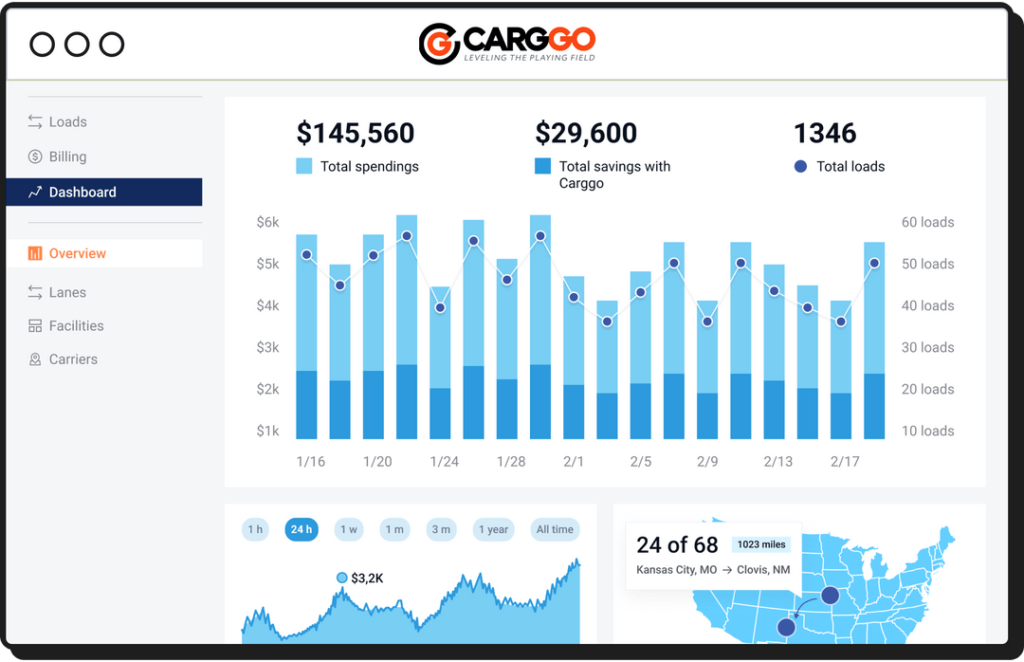
Technology continues to reshape the freight forwarding industry globally, and Nigerian businesses are increasingly adopting digital solutions to improve efficiency, reduce errors, and enhance customer experience. As 2026 approaches, understanding the key technology trends in freight forwarding is essential for importers, exporters, and logistics companies looking to remain competitive in Nigeria’s rapidly evolving market. 1.

The Role of Technology in Freight Forwarding: 2026 Trends for Nigerian Businesses Read More »

The Rising Cost of Global Freight: What Nigerian Importers Should Expect in 2026

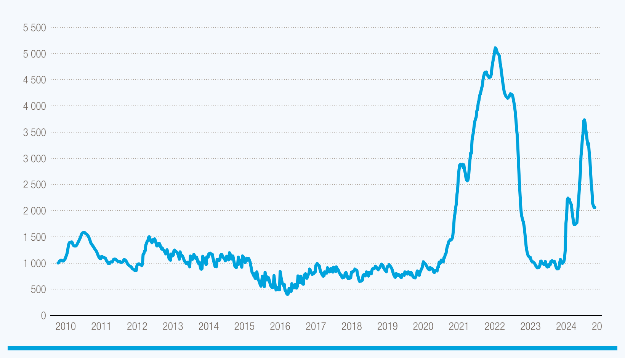
Global freight costs have been on a rollercoaster for the past five years, affected by geopolitical tensions, fuel price instability, climate-related disruptions, and operational challenges across major shipping routes. As Nigerian importers prepare for 2026, understanding these cost drivers will help businesses plan more efficiently and avoid unexpected financial pressure. This article breaks down why

The Rising Cost of Global Freight: What Nigerian Importers Should Expect in 2026 Read More »

Digital Transformation in Freight Forwarding: What Nigerian Businesses Should Expect in 2026

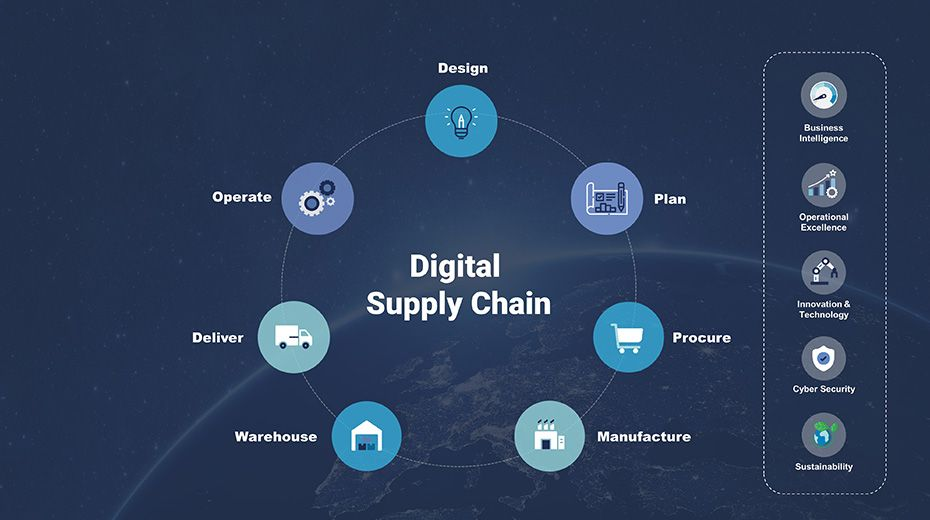
The freight forwarding industry is entering a phase where digital technology is no longer an optional upgrade but a mandatory requirement for speed, transparency, and global competitiveness. As Nigerian importers, exporters, and logistics companies prepare for 2026, digital transformation is expected to reshape operations from documentation to cargo visibility. Understanding these advancements will help businesses

Digital Transformation in Freight Forwarding: What Nigerian Businesses Should Expect in 2026 Read More »

How Nigeria’s New Trade Portal and Tax Policies Are Changing Importation in 2025

Introduction: What’s Really Happening to Importation in Nigeria? Nigeria’s importation landscape is undergoing major changes. With the launch of the Nigeria Single Window Trade Portal (NSW) and the introduction (and suspension) of several new tax policies, businesses across the country are asking the same question: How have these new policies affected importation in Nigeria? 1.

How Nigeria’s New Trade Portal and Tax Policies Are Changing Importation in 2025 Read More »